






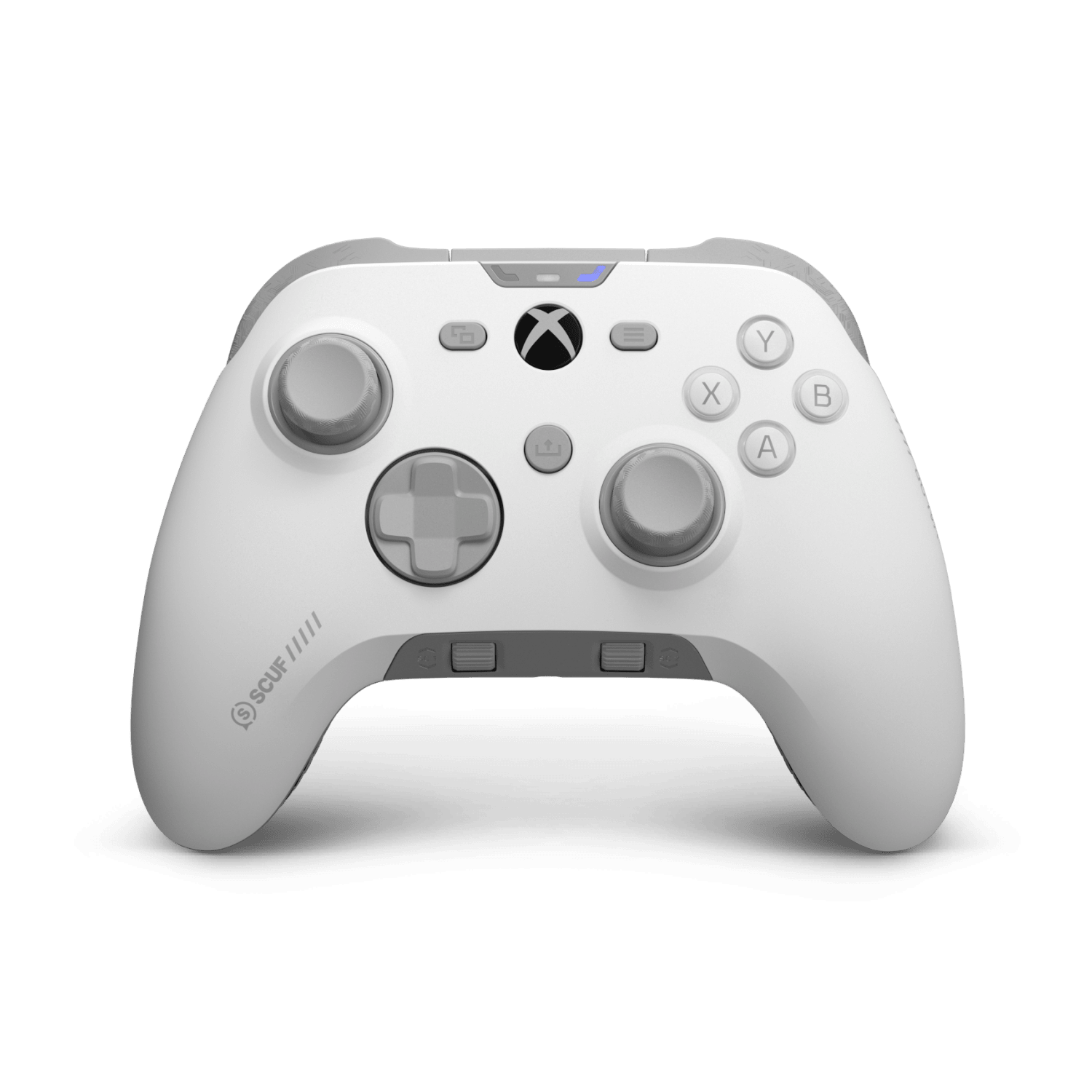


Fighting games and precision PC titles have something in common: they reward consistent, accurate inputs above everything else. A dropped frame, a misread input, or a stick that drifts mid-combo can cost you the match. The right wired controller removes those variables and lets execution be the thing that matters.
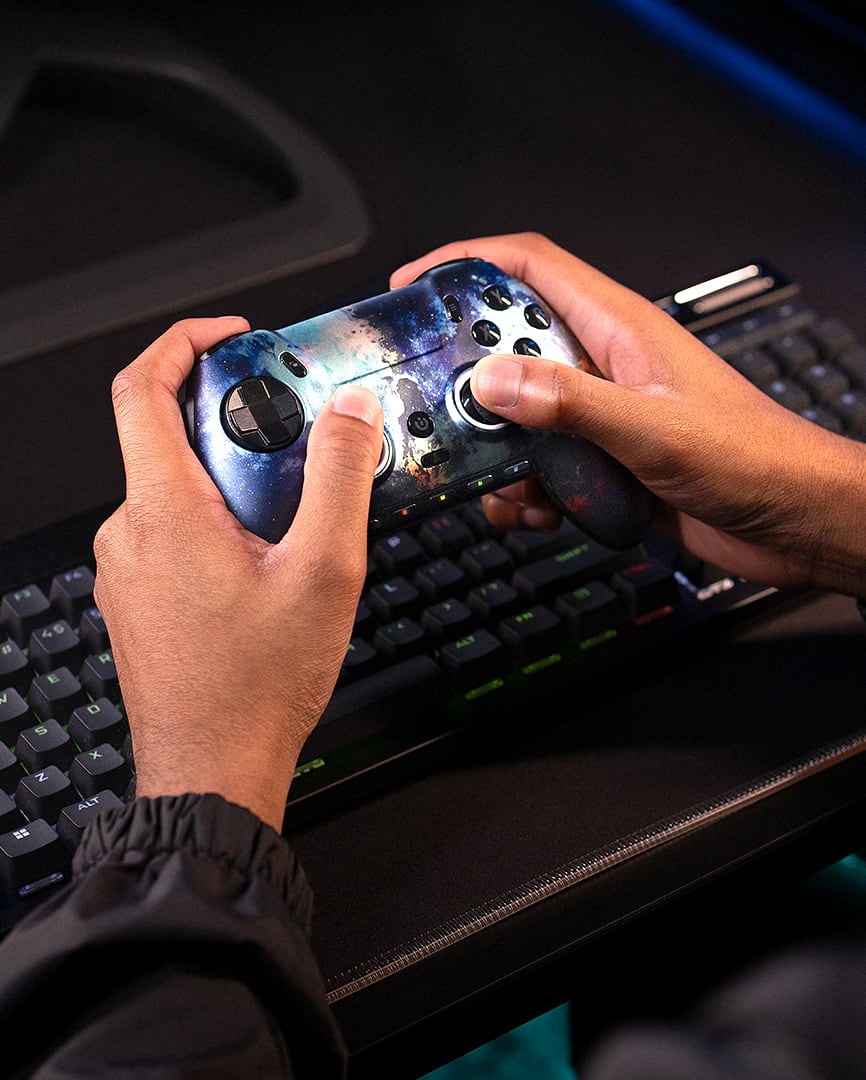
What fighting games demand from a controller
Fighting games are among the most input-precise genres in competitive gaming. Frame-perfect execution, motion inputs, and complex command strings require a controller that reads exactly what you press, exactly when you press it, with no ambiguity or delay. The demands are different from a shooter — less about simultaneous multi-input and more about sequential precision — but equally unforgiving.
D-Pad responsiveness. Motion inputs in fighting games — quarter-circle, half-circle, dragon punch — depend on a D-Pad that reads diagonal inputs cleanly without ghost inputs or missed directions. This is an area where controller quality matters more than most players realise until they're dropping inputs at a critical moment.
Button actuation. Mechanical buttons register faster and more consistently than membrane ones, and the tactile feedback confirms the input without requiring visual confirmation. The SCUF Envision uses mechanical ABXY and D-Pad buttons, a spec that matters in execution-heavy genres where the difference between a registered and missed input is a single frame.
Low and consistent latency. Wired USB connections deliver 1 to 3ms of input latency consistently. In fighting games, where frame windows for reversals and punishes are measured in 1/60th of a second, consistent low latency is more important than any other single spec. It's why wired has remained the standard in fighting game competition even as wireless has closed the gap in other genres.
Thumbstick precision. Not all fighting game players use the D-Pad — 3D fighters and some players strongly prefer the left thumbstick for motion inputs. Hall Effect or TMR thumbsticks provide more accurate diagonal detection and maintain that accuracy over time. Standard potentiometer sticks develop dead zones and inconsistencies that show up most clearly in the precise diagonal inputs fighting games require.
Fight sticks vs. controllers: which is right?
This is a genuine debate in the fighting game community, and the honest answer is that neither is objectively superior. Arcade sticks (fight sticks) replicate the feel of arcade hardware and are preferred by many players for 2D fighters with quarter-circle motion inputs. Controllers are generally faster to adapt to, better for 3D fighters, and easier to transport. The professional field is genuinely split, with top players excelling on both.
For players who play fighting games as part of a broader PC setup — alongside shooters, RPGs, or other genres — a high-quality wired controller is the more versatile choice. The SCUF Envision's mechanical buttons and precise D-Pad bring it close to fight stick standards for button feel, while the full controller layout stays available for everything else you play.
Precision PC gaming beyond fighting games
The same qualities that make a controller good for fighting games, low latency, mechanical buttons, accurate thumbsticks, matter across any precision-focused PC title. Souls-like games reward reading attacks and timing dodges frame-precisely. Rhythm games require exact button timing with no input ambiguity. Platformers with tight jump windows rely on consistent, predictable button response.
The Envision's additional inputs also benefit these genres in ways fight stick players don't have access to. Five G-Keys remappable to macros or shortcuts, two SAX side buttons, and four rear paddles give you access to every function without taking thumbs off the sticks, which matters in souls-like combat where camera control and action inputs happen simultaneously.
The SCUF Nemesis for fighting and precision PC play
For players who want the absolute ceiling on PC controller performance, the SCUF Nemesis Pro 8K is now available for pre-order. 8,000Hz polling, TMR thumbsticks, mechanical buttons, and four rear paddles in a PC-native build — wired from $119.99, wireless from $199.99, shipping fall 2026.
SCUF's most advanced PC controller yet. Pre-order the Nemesis Pro 8K now for fall 2026 delivery.